
For many people the decision to go private comes down to a practical question they feel awkward asking. What does it cost and how does paying for it actually work? Mr Kosuge believes patients should have this set out plainly, so that cost is a clear factor in the decision rather than an anxious unknown. This article explains how private hip and knee replacement is paid for. It does not quote a figure, because an accurate price depends on your individual circumstances and is best given as a written quote.
The two main routes: insurance and self-pay
Most patients pay in one of two ways. If you have private medical insurance, your treatment may be covered, subject to your policy and any excess. Mr Kosuge is recognised by the major insurers. The sensible first step is to contact your insurer to confirm what your policy covers before you proceed. The team can help you obtain the relevant procedure code you will need. The second route is self-pay, where you fund the treatment yourself. This is more common than many people expect. It does not require you to have insurance at all.
How self-pay usually works
Self-pay private surgery is normally arranged as a fixed-price package. The value of a package is that it brings the main costs together into one agreed figure, so there are fewer surprises. A typical package covers the surgeon's fee, the anaesthetist's fee, the hospital stay, the implant and the routine aftercare associated with the operation. It is always worth confirming exactly what is and is not included, for example the initial consultation, any scans and the physiotherapy that follows.
What affects the cost
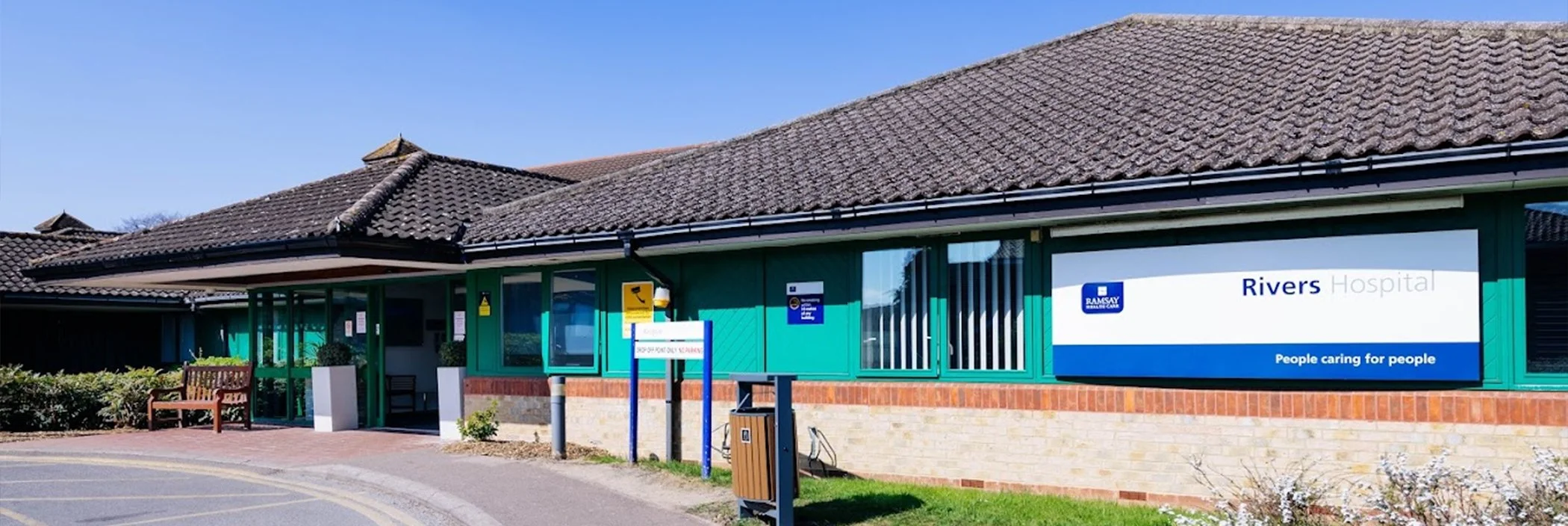
The price of a joint replacement depends on the specific procedure, the implant used, the length of stay and your individual medical circumstances. This is precisely why a single headline figure can be misleading and why The Rivers Hospital provides a tailored quote once your needs are understood.
Getting a clear quote
The most useful thing you can do is start with a consultation. That gives you an accurate diagnosis, a clear recommendation and a written, itemised quote you can consider without pressure. Whether you plan to use insurance or to self-pay, the team can guide you through the process.
To arrange a consultation with Mr Kosuge at The Rivers Hospital, High Wych Road, Sawbridgeworth CM21 0HH:
Telephone: 01279 602675